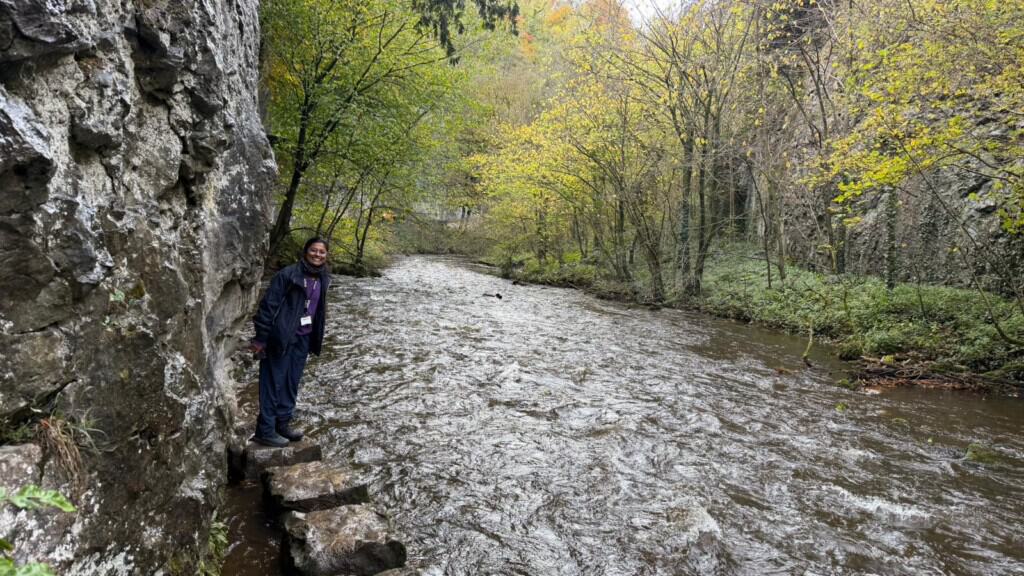
My placement at Endeavour broadened my understanding of what meaningful education and support can look like. With a keen interest in paediatric occupational therapy, and as someone new to the UK, I welcomed the opportunity to understand the experiences of young people, families and those working alongside them. I arrived unsure what to expect from an alternative provision with a strong outdoor focus, and left with a deeper appreciation of the relationship between participation, wellbeing and learning.
From the beginning, the team made me feel like a valued colleague. Staff were warm and approachable, recognised my strengths and previous experience, and genuinely valued my contributions. Their willingness to support one another and share responsibilities stood out, alongside a culture of continuous learning. This extended to my own development: staff actively participated in my reflections, offered constructive feedback and invested time in explaining policies and approaches. I experienced a thoughtful balance of autonomy and mentoring, with opportunities to take responsibility while knowing support was available.
One of my most significant learning experiences was a shift in how I recognised learning itself. Initially, I looked for familiar signs of academic participation, such as children practising maths or literacy. Over time, I came to appreciate the importance of developing self-regulation, communication and the confidence to participate. Being outdoors, come rain or shine, provided opportunities to build these skills through meaningful, shared experiences.
Following deer tracks, identifying birds, noticing changing colours and temperatures, and crafting with natural materials encouraged curiosity, connection and engagement. The flexibility of these activities created different ways for young people to participate, drawing on their individual strengths and interests. As an occupational therapy student, this brought theory to life. I could see how the environment and the meaning of an activity shaped opportunities for participation, and came to appreciate the therapeutic value of green spaces and freedom of movement.
I also admired how staff responded to difficult moments. Rather than treating conflict simply as something to manage, they helped young people reflect, work through emotions and develop more respectful ways of communicating. Observing this strengthened my understanding of behaviour as communication and the importance of responding with patience, curiosity and consistency.
Underpinning this work was Endeavour’s enduring connection to the communities it serves. Walking through neighbourhoods with staff, I saw the significance of being known, recognised and trusted. These relationships helped me understand that meaningful support rests not only on individual sessions or activities, but also on a sustained presence and a willingness to understand people’s lives.
This community perspective also deepened my understanding of Sheffield, partnership working and the practical realities of delivering alternative provision. Through an occupational therapy lens, I explored how young people’s participation is shaped by interconnected personal, family, educational and community circumstances. I learned to appreciate both the complexity of these barriers and the value of small, consistent efforts to address them.
I left Endeavour with greater confidence in my professional perspective and a broader understanding of how to support young people. Above all, I will carry forward the importance of relationships, meaningful activity and recognising progress beyond conventional measures of achievement. Endeavour was a place where I felt welcomed, challenged and able to contribute. It was a placement I genuinely looked forward to attending.